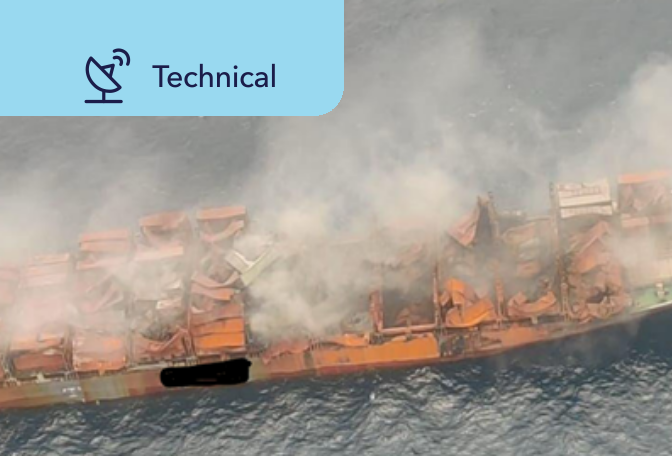
# Post-Fire Ship Hull Assessment Becomes Critical Industry Focus
Fire incidents remain among the most prevalent accidents affecting maritime operations, with container ships and ro-ro cargo and passenger vessels experiencing a notable uptick in recent years. Classification society DNV has undertaken numerous post-fire structural and material assessments, leveraging this accumulated expertise to establish best practices for vessel recovery and safety protocols following thermal damage events.
The increase in fire incidents across high-risk vessel categories underscores persistent vulnerabilities in modern shipping operations. Container and ro-ro ships, which carry cargo or vehicles in configurations that can complicate fire suppression and containment, present particular challenges. Post-fire assessments require sophisticated evaluation of hull integrity, material degradation, and structural soundness—factors that directly impact vessel seaworthiness and regulatory compliance. Comprehensive material analysis and structural documentation are essential to determining whether a damaged vessel can safely return to service or requires extensive remediation.
As maritime authorities tighten safety standards and insurers demand greater accountability following incidents, detailed post-fire assessment protocols have become increasingly important for shipowners and operators. The availability of technical guidance from classification societies helps ensure that damaged vessels meet international maritime standards before resuming operations, protecting both crew safety and cargo security. This focus on systematic post-incident analysis reflects the industry’s broader commitment to improving fire safety across all vessel types.