Steven Grotsky appointed M&O Sales & Marketing Vice-President at Bureau Veritas
Steven Grotsky appointed M&O Sales & Marketing Vice-President at Bureau Veritas
in
International Shipping News
18/05/2026
Bureau Veritas Marine & Offshore has recently appointed Steven Grotsky as Sales & Marketing Vice-President.
In this role, Steven leads the Sales & Marketing function, driving profitable growth and excellence in sales performance across Bureau Veritas Marine & Offshore. He supports the organization’s ambition to further strengthen its market position and enhance client engagement across the marine and offshore sectors.
Steve brings more than 20 years of experience in maritime and classification services, with extensive expertise in developing and executing sales strategies, business growth initiatives and commercial enablement programs. Prior to joining Bureau Veritas, he led Maritime Strategy and Innovation at Saudi Aramco.
Steve trained at the United States Merchant Marine Academy and served in the United States Navy Reserve, retiring with the rank of Lieutenant Co
Wilson Sons plans to expand Rio Grande Container Terminal to serve larger ships and the Southern Cone market

Wilson Sons plans to expand Rio Grande Container Terminal to serve larger ships and the Southern Cone market
in
Port News
18/05/2026
Wilson Sons, a port and shipping logistics operator with over 188 years of experience, plans to expand the Rio Grande Container Terminal (located in Rio Grande do Sul) by making investments exceeding R$1.1 billion in port infrastructure by 2030. The initiative aims to expand the terminal’s operational capacity and meet the growing logistics demands of Rio Grande do Sul and the Southern Cone. This will strengthen regional competitiveness and the infrastructure of the Brazilian economy.
This necessity of expansion stems from an ongoing effort driven by exporters’ growing production and the increasing number of transshipment operations from countries such as Uruguay, Argentina, and Paraguay.
Iran Launches Official ‘Persian Gulf Strait Authority’ Account, Declares Unauthorized Hormuz Transit ‘Illegal’
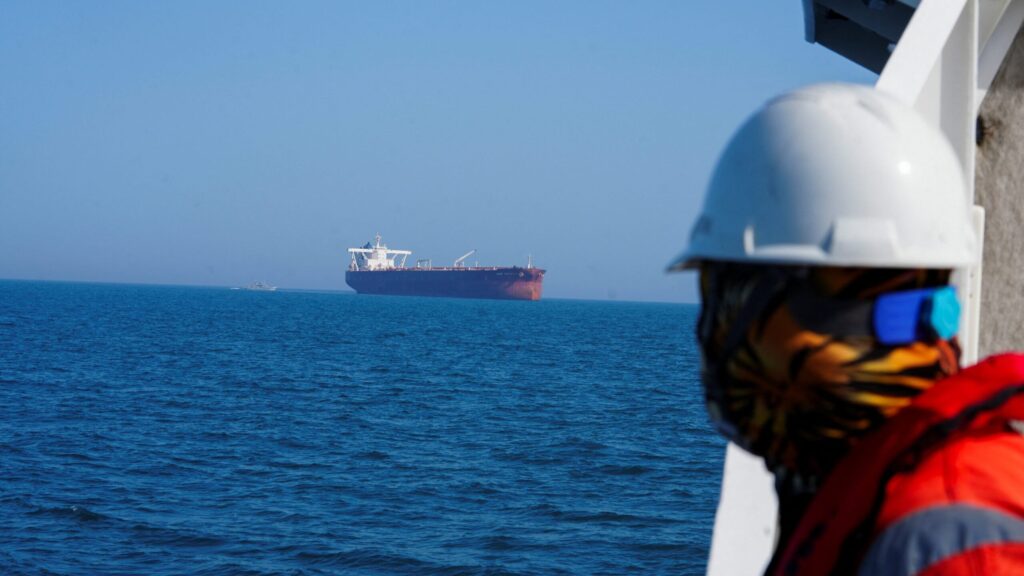
The Malta-flagged tanker Agios Fanourios I, an oil tanker that sailed through the Strait of Hormuz, arrives in Iraq’s territorial waters off Basra,Iraq April 17, 2026. REUTERS/Mohammed Aty
Iran Launches Official ‘Persian Gulf Strait Authority’ Account, Declares Unauthorized Hormuz Transit ‘Illegal’
Mike Schuler
Total Views: 0
May 18, 2026
The Iranian-backed Persian Gulf Strait Authority (PGSA) has officially launched a public presence on X, marking the clearest effort yet by Tehran to formalize and publicize its emerging control regime over commercial shipping transiting the
Strait of Hormuz
.
The newly launched account, operating under the handle “PGSA_Iran,” introduced itself Monday as the “official X account of the Persian Gulf Strait Authority” and said it would provide “real-time updates” on operations and developments in the strategically critical waterway.
In a second post, the organization declared itself the “legal entity and representative authority of the Islamic Republic of
Treasury Extends Russian Oil Waiver as Hormuz Crisis Tightens Global Supplies
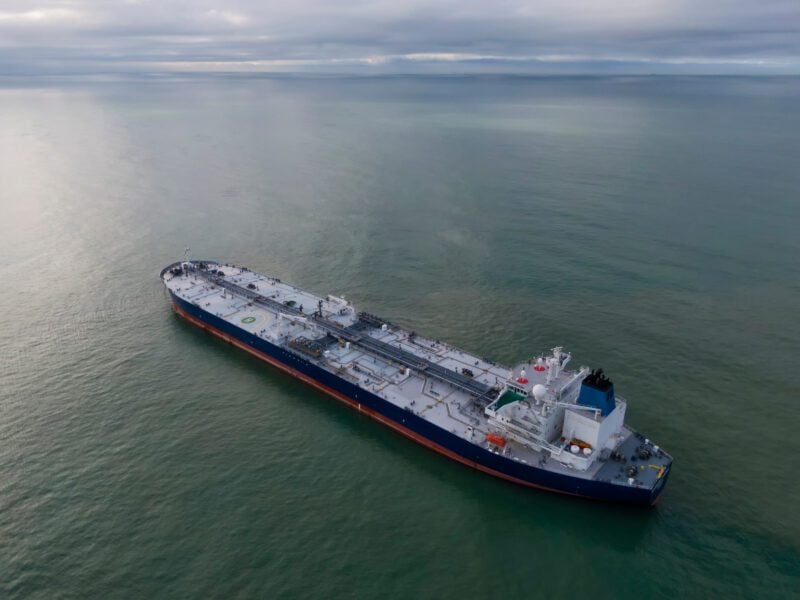
Aerial photo of an oil tanker at anchor. Stock Photo: Nickeo23/Shutterstock
Treasury Extends Russian Oil Waiver as Hormuz Crisis Tightens Global Supplies
Mike Schuler
Total Views: 0
May 18, 2026
U.S. Treasury Secretary Scott Bessent announced Monday that the Treasury Department is issuing a temporary 30-day general license allowing “the most vulnerable nations” to access Russian oil cargoes currently stranded at sea, framing the move as an effort to stabilize global crude markets amid ongoing disruption tied to the
Strait of Hormuz
crisis.
The announcement appears to expand on earlier
Russia-related sanctions
relief measures issued by OFAC in March, which temporarily authorized certain deliveries of Russian-origin crude already loaded before sanctions deadlines.
Iran Launches Bitcoin-Based Insurance Scheme for Ships Crossing Hormuz
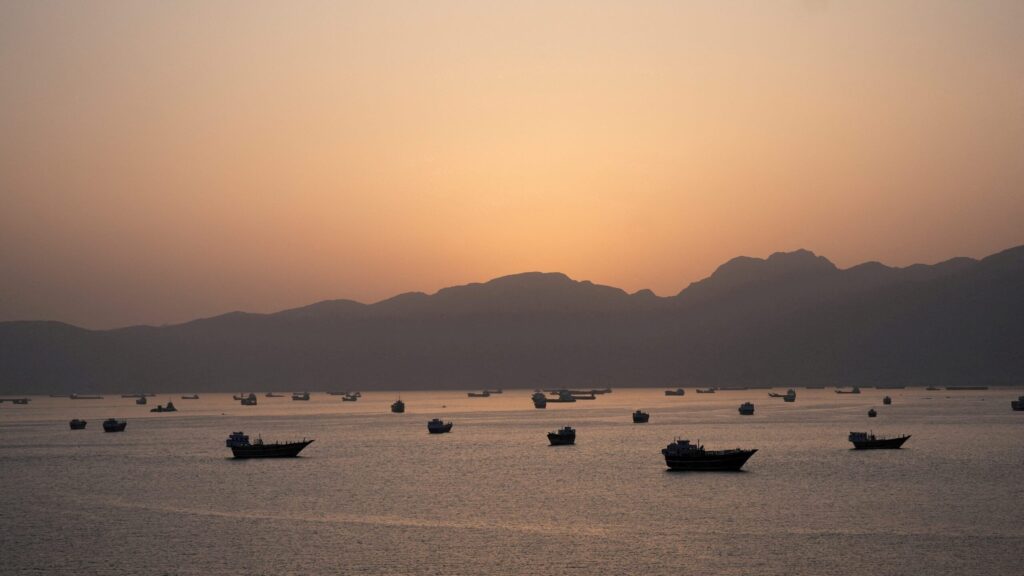
Stock Photo: Evgeny Shulin / Shutterstock
Iran Launches Bitcoin-Based Insurance Scheme for Ships Crossing Hormuz
Bloomberg
Total Views: 0
May 18, 2026
By Golnar Motevalli (Bloomberg) — Iran has started a Bitcoin-backed insurance service for Iranian shipping companies that want to transit the
Strait of Hormuz
, the semi-official Fars news agency reported, citing documents obtained from the country’s Ministry of Economy and Financial Affairs.
According to a screen shot of the insurance company’s website, dubbed Hormuz Safe and shared by Fars news, it “provides Iranian shipping companies and cargo owners with fast, verifiable digital insurance.” Fars didn’t give a detailed break down of how the insurance works and whether it’s available to foreign shipping companies and vessels.
Iran is heavily sanctioned by the US and its use of cryptocurrencies like Bitcoin and Tether has ballooned since President Donald Trump started targeting its economy and energy exports during his first administrat
The Great Battleship Debate: gCaptain’s Konrad Takes On AEI’s Zack Cooper
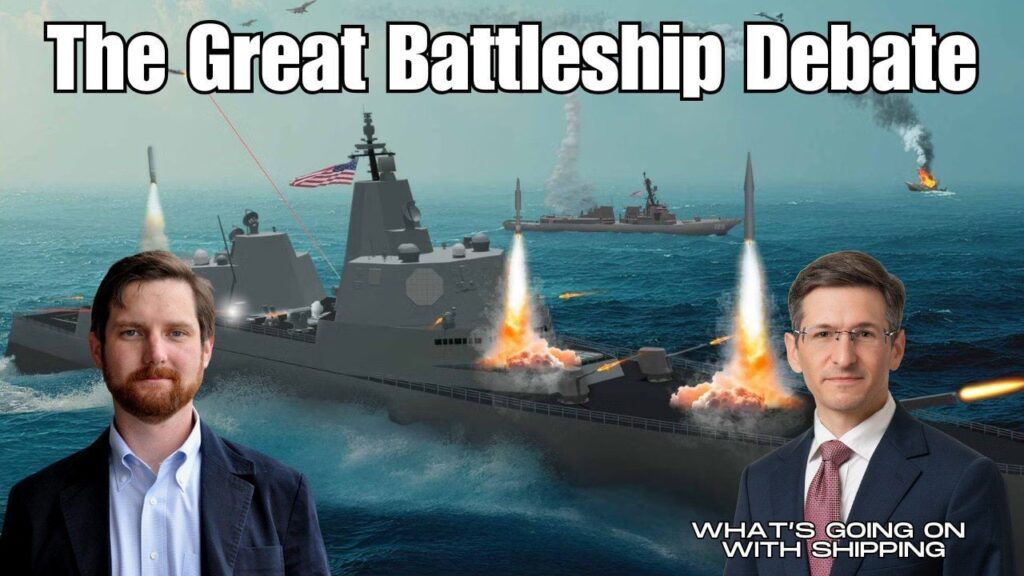
Thumbnail photo courtesy of Sal Mercogliano
The Great Battleship Debate: gCaptain’s Konrad Takes On AEI’s Zack Cooper
gCaptain
Total Views: 1
May 18, 2026
The U.S. Navy has not commissioned a battleship since 1944. Donald Trump now wants as many as 25.
The Strait of Hormuz Crisis Is Cracking the Petrodollar System
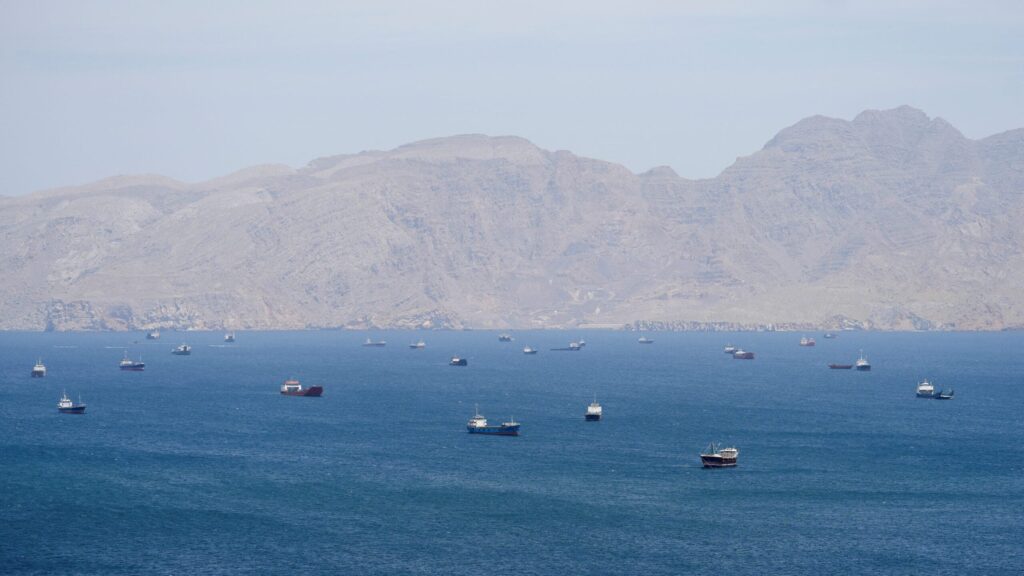
Vessels in the Strait of Hormuz, Musandam, Oman, April 27, 2026. REUTERS/Stringer TPX IMAGES OF THE DAY
The Strait of Hormuz Crisis Is Cracking the Petrodollar System
Reuters
Total Views: 0
May 18, 2026
By Ron Bousso
LONDON, May 18 (Reuters) – The U.S. dollar-dominated global oil trading system is being tested by the Iran war and the closure of the
Strait of Hormuz
, as governments in major consuming nations turn to increasingly opaque deals with Tehran and Gulf producers to secure supplies.
Since the outbreak of the war on February 28, roughly a fifth of global oil supplies from the Gulf have been disrupted, dealing a tough blow to economies, particularly in Asia, which depends on the Middle East for about 60% of its imports.
With the Hormuz blockade now in its 13th week, there are growing signs that major Asian importers are adapting to the new reality by striking direct arrangements with Gulf producers, often with Tehran’s consent, to allow vital flows of crude, chemicals and fe
Shipping’s digital transition ramps up

Shipping’s digital transition ramps up
in
International Shipping News
19/05/2026
M
easuring the impact of maritime digitalisation has unique challenges. Assets are constantly on the move and most seagoing personnel are accustomed to managing operations remotely at shipboard level. But this is changing – fast.
Increasing digitalisation will be familiar to all those working in maritime, but how can we measure the impact? At the recent Smart Maritime Network event in Athens, a panel of experts moderated by LR’s Eleanna Apostolidi, Global Head of Client Enablement, addressed some of the key issues.
Speaking were Klavdia Chatzikonstantinou, Project Management Office Manager at Chandris Hellas Inc; Nikolaos Tsoulakos, Innovation and Technology Manager at Laskaridis Shipping; and Theodoros Tserpelis, TMS Group’s Digital Transformation Planning Manager.
Setting the scene, LR’s Apostolidi flagged the ‘golden triangle’ of People, Process, Technology as essential components in shipping’s digital
Genco Shipping & Trading Limited Sends Letter to Shareholders from Chairman and CEO John Wobensmith
Genco Shipping & Trading Limited Sends Letter to Shareholders from Chairman and CEO John Wobensmith
in
International Shipping News
19/05/2026
Genco Shipping & Trading Limited, the largest U.S. headquartered drybulk shipowner focused on the global transportation of commodities, today sent a letter to Genco shareholders from John Wobensmith, the Company’s Chairman and Chief Executive Officer.
Highlights from the letter include:
Since 2021, Genco’s Board and management team have been implementing Genco’s Comprehensive Value Strategy, resulting in $310 million or $7.16 per share in dividends paid to shareholders, a growing fleet of premium earnings vessels and industry-low leverage and breakeven levels.
Following Genco’s success growing its Q1 dividend 133% year over year, Genco has significant momentum and is positioned to continue delivering compelling returns and dividend growth in Q2 and for the remainder of 2026.
Diana’s highly conditional tender offer is unchanged from its prior inad
Dry bulk market update: How Cape & Panamax freight markets are repricing under the new coal trade map
Dry bulk market update: How Cape & Panamax freight markets are repricing under the new coal trade map
in
Dry Bulk Market
,
International Shipping News
19/05/2026
F
reight firmness
Cape Atlantic & Pacific and Panamax Pacific all printing higher rates. Supply is being absorbed.
02
Coal demand reshaped
Strait of Hormuz disruption pushed thermal coal demand toward seaborne Asia. Panamax Pacific the immediate beneficiary.
03
Russia → Asia coal corridor
April 2026 record high.