Stop Digitizing the Problem: A Smarter Approach to Maritime Software
The industry is focused on managing cost and maximizing efficiency, so why do some operators resist adopting technology, asks Captain Steve Bomgardner, CEO, ABS Wavesight
Why do some companies struggle with digital transformation? The answer is pretty clear if we trace the evolution of vessel operations over as little as the last 20 years.
At that time ships were much more heavily-crewed, but many operators progressively slimmed down crew sizes as they found they could manage with fewer seafarers and still remain compliant with minimum manning levels.
There was no digital transformation taking place – the loss of the radio operator in particular seemed to signal the opposite – but the burden of work on the crew continued to increase. A vessel might go from 25 or 30 crew to 15 or 20 which meant those onboard often had to do more work, but more quickly and under greater pressure.
Consequently, both the ships and shoreside managers have become used to doing more work in an increasingly lean way and – counter-intuitive as it may seem – are sometimes hesitant about adopting digital tools.
The very reasonable questions they ask themselves are: “if I adopt this new system, am I replacing myself?”; and perhaps more pertinently: “if it doesn’t perform as expected and I bring up issues, am I the one getting fired?”
The right technology can help release users from mundane, repetitive low value tasks and enable them to focus more on the safety needs at hand. However, poorly designed and badly implemented technology can introduce inefficiency, create more work and make users wary of relying on the output.
In my experience sailing as a master, there were days when I had so many meetings it was sometimes difficult to get onto the bridge, interact properly with the crew and check in detail that things were happening the way they should in the time I had available.
You might imagine that the opportunity of a more efficient way of working is something captains, crew and superintendents would grab with both hands but it’s not always so. Yes, crew want things to work but they are also creatures of habit. They know and prefer a certain way of working and when that changes, resistance (at least in the beginning) is natural. They might appreciate the safety benefits that technology can bring, but the process of adoption, testing and implementation is something they want to avoid if they can. This is in part a question of transparency.
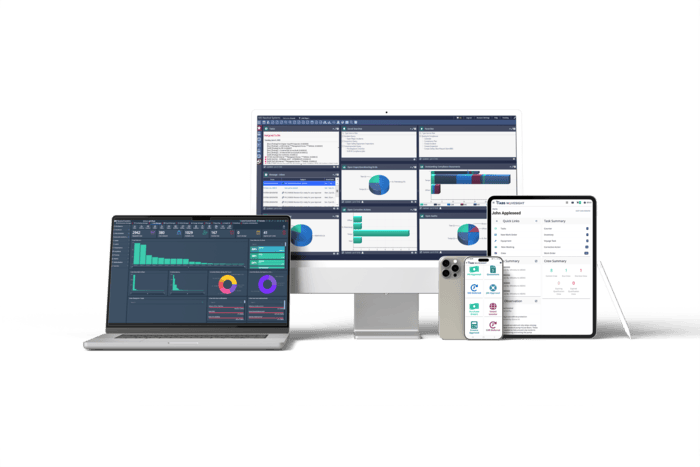
For example, not all ship operators recognize that their crew still use multiple manual work around processes to perform the same everyday activity as we are offering on the Nautical Systems platform.
Transparency goes both ways: at the sharp end of the operation, crew don’t want big brother watching what they are doing and how.
The risks are obvious, the opportunity for measurable improvement is bypassed.
The bottom line is that shipping is about getting things done; crew have to perform but the waste and risk to safety of continuing to work offline and without the right support and accountability is a risk to crews, ships and the cargo. It just doesn’t need to happen this way.
Human hierarchy is something that digital transformation doesn’t naturally consider. Operators should think culturally about how to bring their crews with them when they deploy software and which approaches are going to work best with a diverse team.
The threat of being punished rather than rewarded for speaking up and providing feedback is something crews should not have to face. They are the people who are using the technology, and they are the ones who help keep the assets and the environment safe. They should be given credit for that whenever we are speaking about why people matter so much to shipping.
It’s why we take a different approach to this problem; simplifying adoption and focusing on supporting seafarers, because without them there is no digital transformation and a data-led shipping industry is as far away as ever.
See how ABS Wavesight Nautical Systems supports maritime teams with practical, purpose-built fleet management tools at