France Moves Aircraft Carrier to Red Sea With Eye on Hormuz Mission

French aircraft carrier Charles De Gaulle departs from Souda Bay, on the island of Crete, Greece, April 7, 2026. REUTERS/Stefanos Rapanis
France Moves Aircraft Carrier to Red Sea With Eye on Hormuz Mission
Reuters
Total Views: 0
May 6, 2026
PARIS, May 6 (Reuters) – France on Wednesday deployed its carrier strike group to the Red Sea as part of planning for a potential mission to secure the
Strait of Hormuz
, urging Washington and Tehran to consider the proposal given the global economic impact of their competing blockades.
Fresh exchanges of fire on Monday underscored the stakes as the U.S. and Iran struggle for control of the narrow waterway, a vital artery for global energy and trade, shaking a fragile four-week-old truce and reinforcing rival maritime blockades.
“The reason why we must make a renewed effort today is simply that the blockade of Hormuz continues, the damage to the world’s economy is therefore becoming more and more pronounced, and the risk of a prolongation of hostili
The illusion of reopening: What if Iran maintains control?

The illusion of reopening: What if Iran maintains control?
in
International Shipping News
07/05/2026
T
o restore flows to pre-conflict levels, a full reopening of the Strait of Hormuz must occur without Iranian-imposed conditions on the freedom of vessel movement. This remains unlikely under current dynamics. If Iran retains operational control, transit volumes may increase from current levels but will fall short of full normalization.
Market & Trading Calls
A full reopening of the Strait of Hormuz requires unconditional access.
BIMCO Warns Abrupt ‘Project Freedom’ Pause Complicates Hormuz Risk Calculus
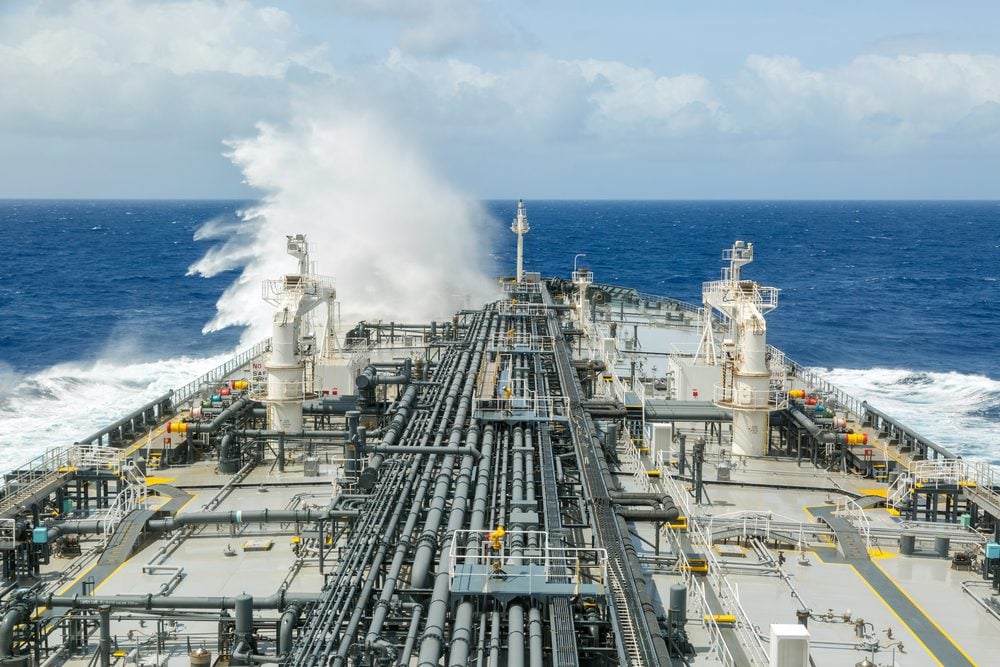
Photo: Anatoly Menzhiliy/Shutterstock
BIMCO Warns Abrupt ‘Project Freedom’ Pause Complicates Hormuz Risk Calculus
Mike Schuler
Total Views: 0
May 6, 2026
The world’s largest shipping association said the Trump administration’s
abrupt suspension
of “Project Freedom” has injected fresh uncertainty into an already volatile operating environment for commercial vessels trapped inside the Persian Gulf.
In comments to gCaptain, BIMCO Chief Safety & Security Officer Jakob Larsen said the short-lived U.S. effort briefly enabled a few U.S.-flagged of ships to exit safely, but emphasized that transits through the Strait of Hormuz without coordination with Iran still carried “significant risk.”
“Changes announced at short notice or changes that are surprising, such as the sudden suspension of ‘Project Freedom’, are a challenge for shipowners attempting to assess the risks and planning for leaving the Persian Gulf,” Larsen said.
Despite the ongoing disruption, Larsen said BIMCO members report that
U.S. and Iran Edge Toward War Deal as Hormuz Talks Advance
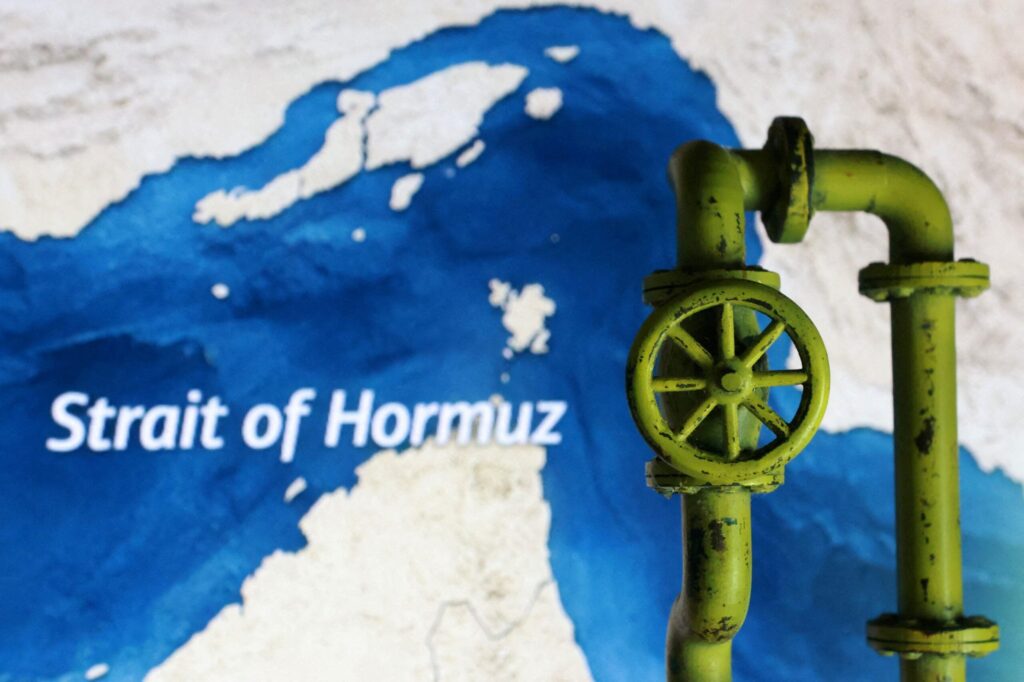
A map showing the Strait of Hormuz and a 3D printed oil pipeline are seen in this illustration taken March 23, 2026. REUTERS/Dado Ruvic/Illustration
U.S. and Iran Edge Toward War Deal as Hormuz Talks Advance
Reuters
Total Views: 581
May 6, 2026
By Ariba Shahid, Steve Holland and Alexander Cornwell
ISLAMABAD/WASHINGTON/TEL AVIV, May 6 (Reuters) – Iran said on Wednesday it was reviewing a new U.S.
Shipowners Stay Cautious on Hormuz as Iran Says ‘Contact Us’
Photo by Anatoly Menzhiliy/Shutterstock
Shipowners Stay Cautious on Hormuz as Iran Says ‘Contact Us’
Bloomberg
Total Views: 0
May 6, 2026
By Alaric Nightingale, Weilun Soon and Grant Smith (Bloomberg) –Shipping companies remain cautious about sending vessels through the
Strait of Hormuz
, despite signs that Iran may be willing to reopen the channel.
Iran’s Islamic Revolutionary Guard Corps said Wednesday that “safe, stable passage” through the waterway — a vital passage for oil supply — will be possible with “new protocols in place.” That came soon after a report that the US had proposed a peace deal, which Tehran is now considering.
Details of the demands or restrictions Iran intends impose on shipping, and whether the US will accept them, remain unclear.
“The shipowners I’ve spoken to have said they’ll believe it when they see it,” Halvor Ellefsen, a London-based director at Fearnleys Shipbrokers UK Ltd., said of the possibility of Hormuz traffic resuming. “It’s not the first time th
India’s bunker demand slows in April on tight credit, market uncertainty

India’s bunker demand slows in April on tight credit, market uncertainty
in
International Shipping News
07/05/2026
Bunker demand across India’s west and east coasts slowed in April compared with March amid tight credit and ongoing market uncertainty due to the Middle East war, while supply was moderate throughout April, traders, suppliers, and other market participants told Platts, part of S&P Global Energy, on May 4.
Traders and suppliers said elevated March prices quickly exhausted buyers’ credit lines, limiting purchases to one or two stems and keeping many out of the market in April until limits reset. Weaker vessel activity about the Strait of Hormuz and idle ships further weighed on demand. The market remained volatile amid ceasefire developments, with buyers securing volumes during price rises but retreating as prices softened, expecting further declines.
“In Mumbai, demand was moderate in April, with average volumes at around 4,000-5,000 metric tons for high sulfur fuel oil and
U.S. Navy Jet Fires Upon, Disables Iranian Tanker Accused of Violating Washington’s Blockade
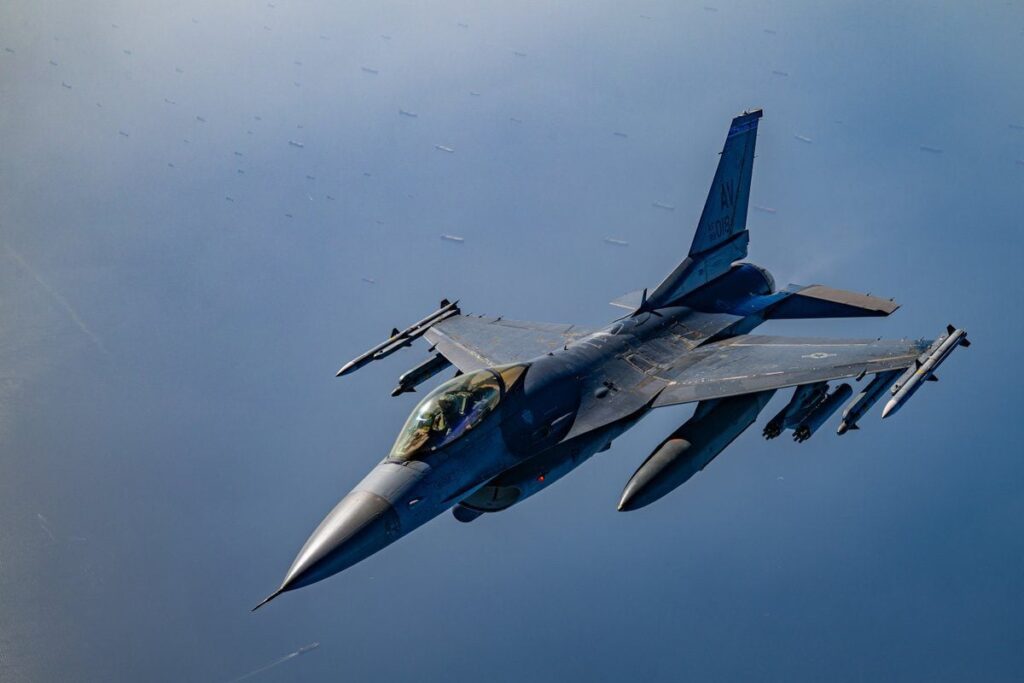
Air Force F-16 fighter jet patrols near the Strait of Hormuz. Navy Jet Fires Upon, Disables Iranian Tanker Accused of Violating Washington’s Blockade
Mike Schuler
Total Views: 2
May 6, 2026
U.S. forces disabled an Iranian-flagged oil tanker in the Gulf of Oman on Wednesday after CENTCOM said the vessel attempted to violate Washington’s blockade on ships entering or departing Iranian ports.
According to U.S.
Maersk Holds 2026 Outlook as Ocean Volumes Surge Despite Rate Pressure
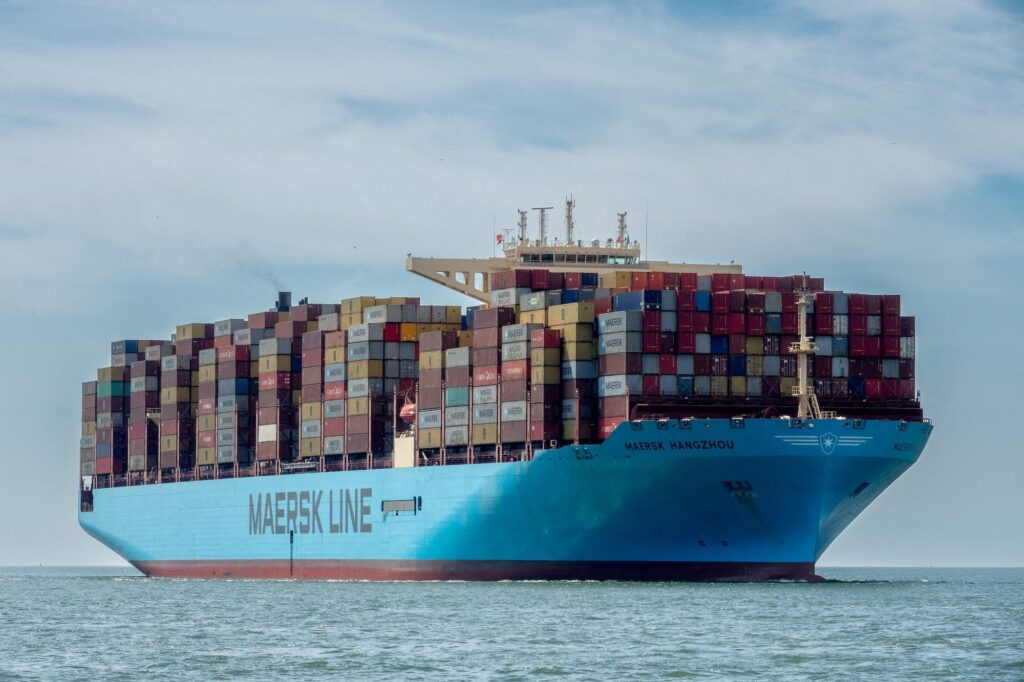
FILE PHOTO: Container vessel Maersk Hangzhou sails in the Wielingen channel, Westerschelde, Netherlands, July 15, 2018. Rene van Quekelberghe/Handout via REUTERS/File Photo
Maersk Holds 2026 Outlook as Ocean Volumes Surge Despite Rate Pressure
Mike Schuler
Total Views: 0
May 7, 2026
A.P. Moller – Maersk
reported solid first-quarter 2026 results on Thursday, posting strong volume growth across all business segments despite continued pressure on
container freight rates
and ongoing geopolitical volatility.
The Danish shipping and logistics giant reported underlying EBITDA of $1.8 billion and EBIT of $340 million for the quarter, as higher volumes and operational efficiencies helped offset weaker freight rates in an oversupplied container shipping market.
Ocean volumes rose 9.3% year-over-year, outperforming the broader container market, while Logistics & Services revenue increased 8.7% and terminal volumes climbed 4.3%.
Hijacked Tanker Off Yemen Deepens Fears of Somali Piracy Resurgence
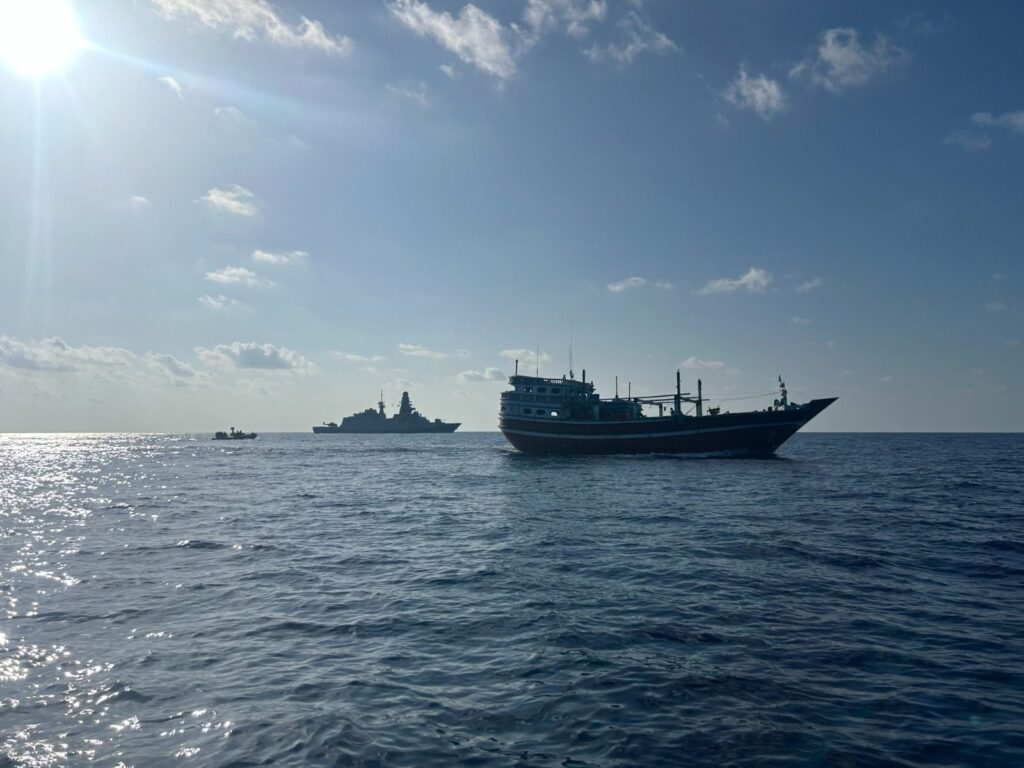
The Iranian-flagged dhow ALWASEEMI, pictured by EUNAVFOR Operation Atalanta
Hijacked Tanker Off Yemen Deepens Fears of Somali Piracy Resurgence
Mike Schuler
Total Views: 0
May 7, 2026
European naval forces have confirmed the hijacking of an oil tanker off Yemen after armed individuals reportedly boarded the vessel near Qana Port before steering it toward the Gulf of Aden and the Somali coast, marking the latest sign that piracy threats in the western Indian Ocean are rapidly escalating again.
According to a new alert issued Thursday by the Maritime Security Centre Indian Ocean, armed individuals boarded the tanker
EUREKA
(IMO: 1022823) at approximately 0500 UTC on May 2 while the vessel was anchored off Qana Port in Yemen’s Shabwa province.
The advisory said the vessel was subsequently taken under the control of the attackers and is now believed to be underway toward waters off Somalia.
Operation ATALANTA, the European Union’s counter-piracy naval mission, later confirmed the hijacking
Cheap Spot Rates Now Could Cost Shippers at Peak Season
Stock Photo: Avigator Fortuner/Shutterstock
Cheap Spot Rates Now Could Cost Shippers at Peak Season
The Loadstar
Total Views: 0
May 6, 2026
By Alexander Whiteman (The Loadstar) – Despite the continuing deterioration in rates, ocean shippers are being advised to avoid the spot market and stick to their allocation with carriers.
Abandoning their contracted space could come back to bite them when peak season rears its head, they were warned this week.
Transpacific sailings to North America aside, east west sailings experienced a third
successive week of declining spot rates
, seemingly leaving no one able to predict which way the wind will blow.
One punter taking a shot, Flexport’s head of ocean for Europe, the Middle East, and Africa, Guillaume Caill, told those listening to the company’s European Freight Market Update, he thought the decline may be easing.
“The market has stabilised from April going into May, and I think the decrease in the spot market may have hit its bottom,” he said