Proposed Indian green fuel project will target bunker demand – CIST
Latest Articles
The Strait of Hormuz Crisis Is Cracking the Petrodollar System
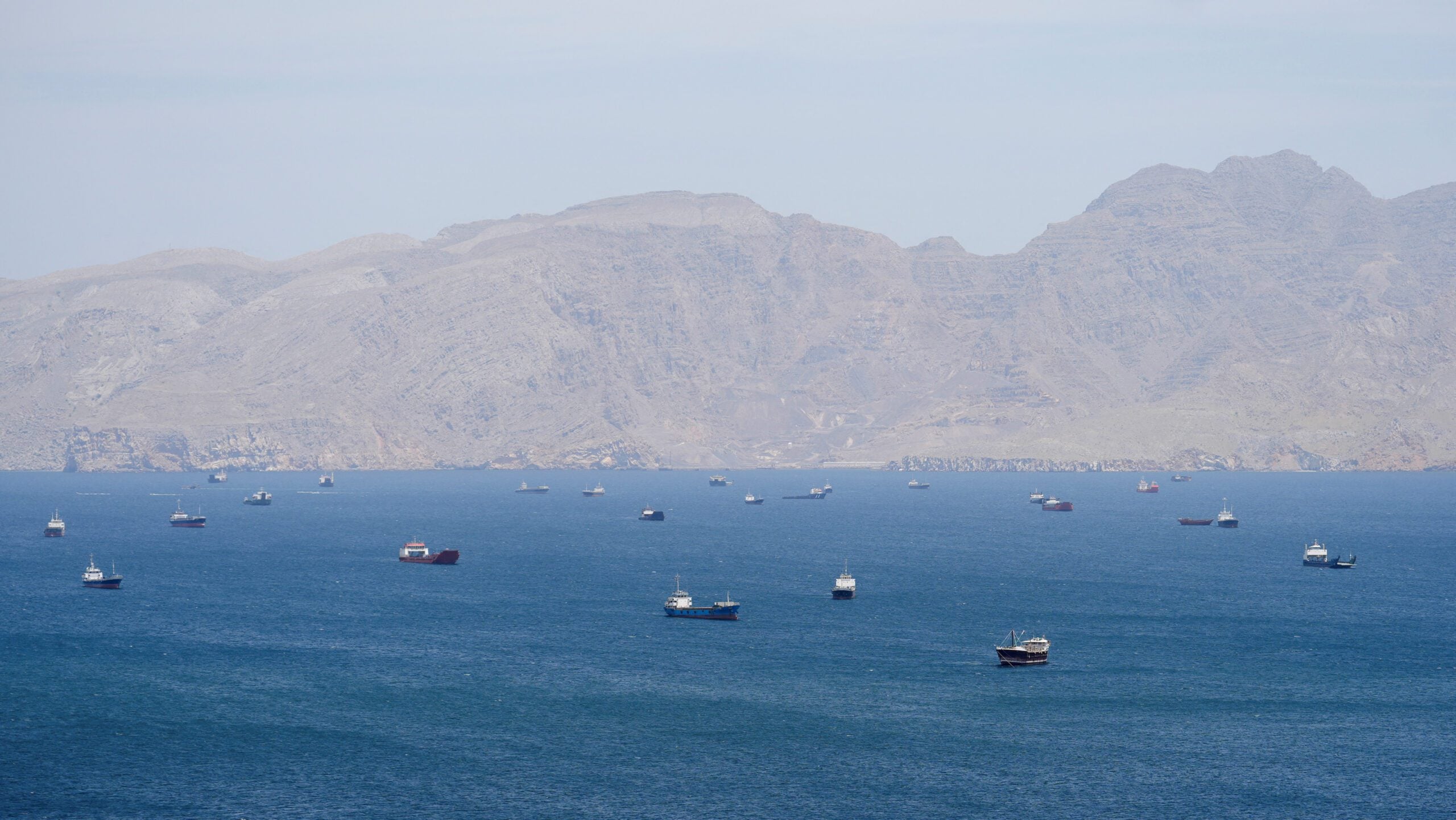
Vessels in the Strait of Hormuz, Musandam, Oman, April 27, 2026. REUTERS/Stringer TPX IMAGES OF THE DAY The Strait of Hormuz Crisis Is Cracking the Petrodollar System Reuters…
Latest Stories
View all →

Latest Articles
Shipping’s digital transition ramps up
Shipping’s digital transition ramps up in International Shipping News 19/05/2026 M easuring the impact of maritime digitalisation has…
Latest Articles
Genco Shipping & Trading Limited Sends Letter to Shareholders from Chairman and CEO John Wobensmith
Genco Shipping & Trading Limited Sends Letter to Shareholders from Chairman and CEO John Wobensmith in International Shipping…
Latest Articles
Dry bulk market update: How Cape & Panamax freight markets are repricing under the new coal trade map
Dry bulk market update: How Cape & Panamax freight markets are repricing under the new coal trade map…
Latest Articles
Smaller Bulkers Finding Support in the Soybean Trades
Smaller Bulkers Finding Support in the Soybean Trades in Dry Bulk Market , Hellenic Shipping News 19/05/2026 T…
Latest Articles
Diana Shipping Inc. Cautions of Significant Downside Risk in Genco’s Share Price
Cautions of Significant Downside Risk in Genco’s Share Price in Hellenic Shipping News 19/05/2026 Diana Shipping Inc., a…

Latest Articles
Does timing matter when selling FuelEU surplus?
Does timing matter when selling FuelEU surplus? in International Shipping News 19/05/2026 Selling FuelEU compliance surplus early offers…

Latest Articles
The Importance of Fast Turnaround Times for Bunker Fuel Analysis in Today’s Market
The Importance of Fast Turnaround Times for Bunker Fuel Analysis in Today’s Market in International Shipping News 19/05/2026…
Latest Articles
Oil prices hover around $110 as U.S.-Iran tensions simmer after UAE drone strike
Oil prices hover around $110 as U.S.-Iran tensions simmer after UAE drone strike in Oil & Companies News…
Latest Articles
Iran Launches Official ‘Persian Gulf Strait Authority’ Account, Declares Unauthorized Hormuz Transit ‘Illegal’
The Malta-flagged tanker Agios Fanourios I, an oil tanker that sailed through the Strait of Hormuz, arrives in…

Latest Articles
Massive Atlantic ‘Cocaine Highway’ Busted in European Maritime Drug Operation
Latest Articles
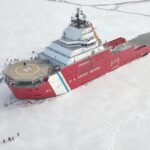
U.S. Coast Guard’s Newest Icebreaker Returns From Arctic Patrol as U.S. Expands Polar Fleet